ZLD for ELG Compliance & Water Reuse
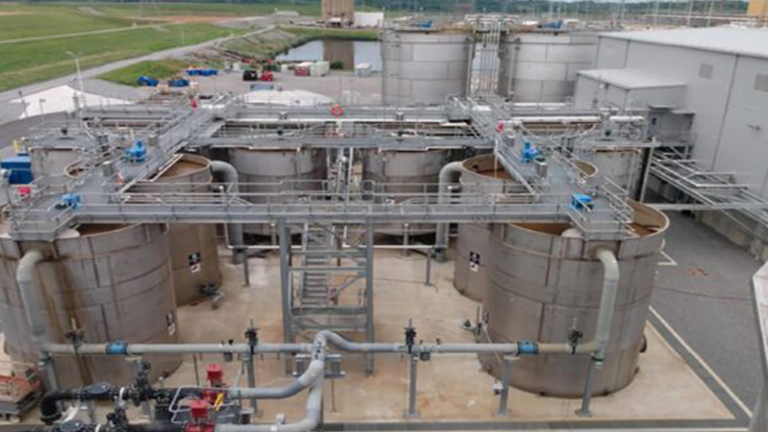
UCC Environmental engineers and integrates Zero Liquid Discharge (ZLD) systems that help utilities and industrial plants meet ELG and no-discharge requirements while improving water recovery. Our team evaluates wastewater streams, site constraints, and compliance goals to design reliable, long-term treatment systems that reduce discharge liability and strengthen plant resilience.
Zero Liquid Discharge System Design & Integration
Zero Liquid Discharge (ZLD) is not a single piece of equipment—it is a fully integrated wastewater treatment system that must be engineered around site-specific water chemistry, flow variability, discharge requirements, and lifecycle cost.
UCC Environmental provides end-to-end ZLD system design and integration, serving as the engineering lead responsible for how each technology performs together as a complete system. Rather than promoting a single proprietary unit, we evaluate, specify, and integrate the right combination of technologies to achieve reliable ZLD performance.
Integrated ZLD System Components
A properly engineered ZLD system may include:
- Pretreatment systems to protect downstream thermal processes and manage fouling, scaling, and solids loading
- Evaporators to concentrate high-salinity wastewater streams
- Brine concentrators to reduce liquid volumes prior to final solids processing
- Crystallizers to convert concentrated brine into manageable solid salts
- Solids handling and dewatering systems for compliant disposal or beneficial reuse
Each component is selected and integrated based on influent chemistry, recovery targets, energy consumption, and long-term operating reliability.
Engineering-Led ZLD Integration
As the system integrator, UCC Environmental ensures that all ZLD components operate as a cohesive, optimized system—not as disconnected packages. Our role includes:
- Process modeling and system configuration
- Equipment specification and vendor coordination
- Integration with existing wastewater infrastructure
- Commissioning and performance validation
- Ongoing technical support and optimization
By taking an engineering-led approach, we help industrial facilities avoid vendor-locked designs, reduce operational risk, and achieve sustainable Zero Liquid Discharge wastewater treatment that performs over the life of the plant.
Why is Zero Liquid Discharge Important?
In April 2024, the U.S. EPA finalized the updated ELG rule requiring coal-fired powerplants to adopt a Zero Liquid Discharge approach for FGD wastewater, Bottom Ash Transport Water, and Combustion Residual Leachate (CRL). ZLD removes the discharge pathway entirely, eliminating future compliance risk and supporting long-term operational planning.
Why Choose UCC Zero Liquid Discharge (ZLD) Systems
Zero Liquid Discharge succeeds or fails at the system level. Facilities choose UCC Environmental because our ZLD systems are engineered to perform reliably across variable wastewater conditions, regulatory scrutiny, and long operating horizons.
Engineering-Led System Design
Our ZLD systems are designed by engineers who understand wastewater chemistry, thermal processes, and solids behavior—not just individual equipment performance. Each system is configured around influent variability, recovery targets, and long-term operating risk to avoid over- or under-designed solutions.
Technology-Agnostic Integration
We do not push a single proprietary unit. Instead, we evaluate and integrate evaporators, brine concentrators, crystallizers, pretreatment, and solids handling technologies from proven suppliers. This technology-agnostic approach allows us to select the right tools for each application while avoiding vendor-locked ZLD designs.
Reduced Lifecycle Cost and Risk
ZLD systems often fail due to scaling, fouling, corrosion, or solids mismanagement. Our designs prioritize pretreatment, materials selection, and process controls that reduce unplanned downtime, stabilize OPEX, and protect thermal assets over the life of the system.
Proven Regulatory Alignment
Our ZLD systems are engineered to support ELG compliance, no-discharge requirements, and site-specific permitting constraints. We design with regulatory review in mind, helping facilities demonstrate compliance confidence while maintaining operational flexibility.
Integration with Existing Plant Infrastructure
Most facilities cannot start from a blank sheet. We integrate ZLD systems into existing wastewater treatment, utilities, and solids handling infrastructure—minimizing disruption while improving overall water management performance.
Long-Term Technical Support
ZLD is not a “set it and forget it” solution. UCC Environmental provides ongoing technical support to help facilities adapt to changing influent conditions, production rates, and regulatory requirements—ensuring sustained ZLD performance over time.
How Zero Liquid Discharge Systems Work
A complete ZLD system integrates several treatment stages that convert wastewater into two outputs: recovered water and a stable solid byproduct. Typical components include:

Pre-Treatment
- Softening
- Clarification
- Media and membrane filtration


Crystallization
- Converts concentrated brine into solid material
- Reduces long-term handling and disposal risk

Water Recovery & Reuse
- Treated water is recycled back into the facility
- Reduces freshwater draw and operating costs
ZLD Compliance Checklist
- Water balance – Have you mapped all wastewater streams and recycle opportunities?
- Permit review – Do your NPDES requirements or local conditions point toward ZLD?
- Pilot study – Have you tested RO, evaporation, or crystallizer options at your site?
- Residual management – Do you have a plan for handling and disposing of crystallized solids?
- Energy/cost model – Have you modeled the CAPEX and OPEX impact of ZLD vs. advanced treatment?
- TIMELINE – Do you have 24–36 months to design, permit, and install a full ZLD system?
- Regulatory engagement – Have you discussed ZLD as a compliance option with your permitting authority?
Next Step: ZLD systems are complex — but with the right engineering partner, utilities can reduce risk and achieve long-term compliance.
Request a Site EvaluationThe One-Step!™ Crystallizer
Bring ZLD to the Next Level
The One-Step!™ Crystallizer is a state-of-the-art solution for wastewater treatment, combining an evaporator, brine concentrator, and crystallizer into one system, eliminating the need for expensive pretreatment, simplifying operations and reducing costs.

Zero Liquid Discharge Frequently Asked Questions
What is a Zero Liquid Discharge (ZLD) system?
What components make up a ZLD system?
How does a Zero Liquid Discharge system work?
When is a ZLD system required?
How is a ZLD system designed for site-specific wastewater?
What are the operating cost considerations for ZLD systems?
Do you provide equipment as part of a ZLD system?
Which industries commonly use Zero Liquid Discharge systems?
Next Step: Request a Site Evaluation
ZLD projects require the right technical and compliance strategy. Our engineers can review your water balance, site constraints, and treatment options to determine if ZLD is the best fit.